

Top Medical Devices Distributor in Europe | Trusted Supply
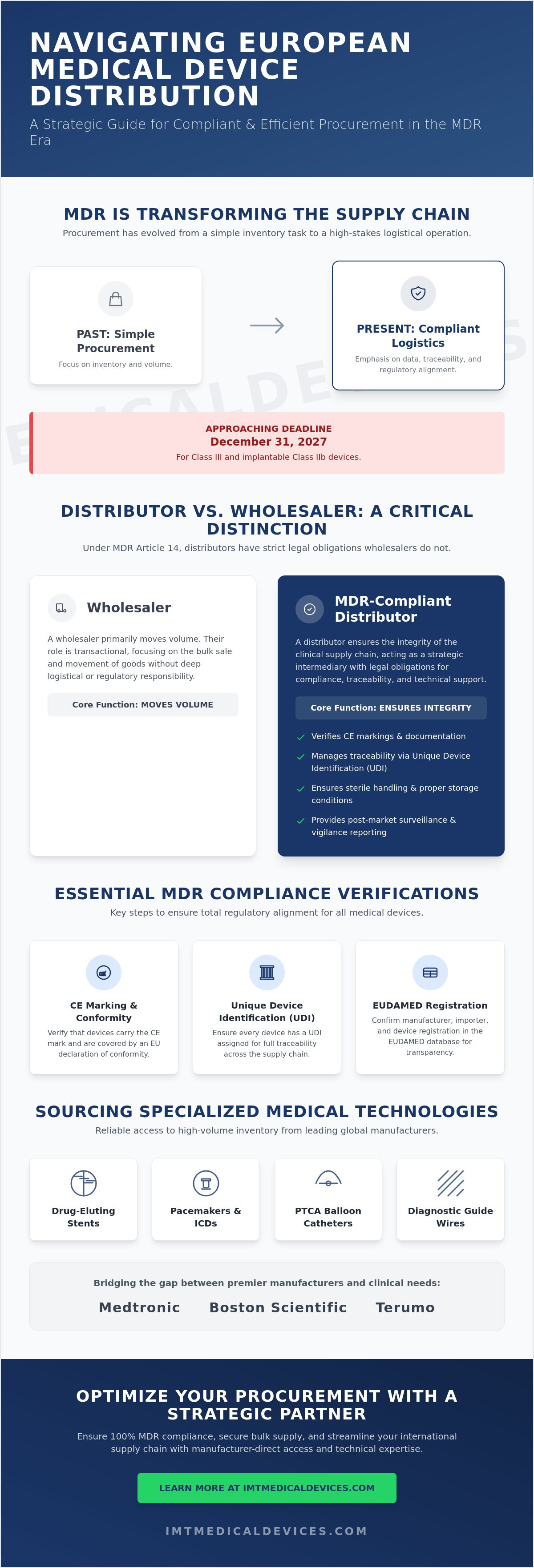
The transition to the European Medical Device Regulation (MDR) has transformed procurement from a simple inventory task into a high-stakes logistical operation. With the December 31, 2027, deadline for Class III and implantable Class IIb devices approaching, selecting a high-capacity medical devices distributor Europe is no longer optional for maintaining clinical continuity. You've likely encountered the friction of mandatory EUDAMED registrations and the supply chain disruptions affecting high-end cardiology and surgical equipment. These regulatory hurdles often lead to opaque logistics and documentation gaps that stall critical medical exports.
We understand that securing a reliable, bulk supply of Drug-Eluting Stents, Permanent Pacemakers, and ICDs requires more than just a vendor; it requires a partner with technical expertise and manufacturer-direct access. This article provides the framework to optimize your procurement costs through wholesale channels while ensuring 100 percent compliance with current European mandates. We'll examine the technical specifications of inventory from Medtronic, Terumo, and Boston Scientific, alongside the logistical protocols necessary for efficient, large-scale distribution across the continent.
Key Takeaways
- Understand the evolving role of a medical devices distributor Europe in managing complex MDR-compliant logistics and strategic procurement.
- Identify critical verification steps for CE marking and Unique Device Identification (UDI) to ensure total regulatory alignment.
- Evaluate distribution partners based on the breadth of manufacturer portfolios, including access to Medtronic, Boston Scientific, and Terumo inventory.
- Implement technical checklists for sourcing specialized hardware such as Drug-Eluting Stents, PTCA Balloon Catheters, and diagnostic guide wires.
- Streamline international supply chains by leveraging established export capabilities and regional logistics expertise.
The Evolving Role of a Medical Devices Distributor in Europe
A medical devices distributor Europe operates as a strategic intermediary. Its function extends beyond simple procurement. It manages the storage and regulatory-compliant delivery of high-end clinical technology. By 2026, the industry has shifted. Wholesaling is now secondary to value-added logistics. This evolution is driven by the need for precise inventory management in a fragmented market. Regional hubs are mandatory. They provide localized expertise for diverse healthcare systems across the continent. Reliability depends on the ability to bridge the gap between global manufacturers and local clinical requirements.
The EU Medical Device Regulation (MDR) has redefined distribution standards. Partners are now selected based on their ability to manage data transparency and post-market surveillance. Compliance is the baseline. Logistical efficiency is the differentiator. Modern distribution requires a high-capacity infrastructure capable of handling rapid information retrieval and product verification.
Market Dynamics and Supply Chain Resilience
Global demand for interventional cardiology and neurovascular devices remains high. Hospitals require immediate access to high-volume inventory. This is critical for healthcare infrastructure. Supply chain resilience is tested by logistics inflation and raw material shortages. Regulatory bottlenecks also impact availability. Effective distribution requires maintaining significant stock levels of items like Drug-Eluting Stents and PTCA Balloon Catheters. Rapid retrieval and delivery are essential for maintaining clinical workflows. The focus is on industrial competence and logistical reliability.
Distributor vs. Wholesaler: Understanding the Distinction
The distinction lies in logistical responsibility. A medical devices distributor Europe manages specialized requirements. This includes sterile handling for sensitive hardware and precise storage conditions. Under Article 14 of the MDR, distributors face strict legal obligations. They must verify CE markings and label compliance before market placement. Technical competence is non-negotiable.
Core logistical tasks include:
- Verification of manufacturer-provided documentation and declarations of conformity.
- Management of sterile barrier systems for interventional hardware.
- Implementation of traceability through Unique Device Identification (UDI) systems.
- Provision of manufacturer-aligned technical support for complex devices.
A wholesaler moves volume. A distributor ensures the integrity of the clinical supply chain. This includes technical coordination for hardware like Permanent Pacemakers and ICDs. Reliability is measured by the speed of data transmission and product availability. The distributor acts as a vital bridge for premium brands such as Medtronic, Terumo, and Boston Scientific.
Regulatory Compliance: Navigating MDR and IVDR Standards
Regulatory compliance for a medical devices distributor Europe is defined by strict adherence to the MDR 2017/745 and IVDR 2017/746 frameworks. Verification of CE marking and Unique Device Identification (UDI) compliance is mandatory before any hardware enters the supply chain. As of May 26, 2025, UDI carrier obligations for Class I, IIa, and IIb devices are active. The European Commission on Medical Devices provides the legal baseline for these operations. Distributors act as a regulatory filter. They ensure that every Drug-Eluting Stent or Permanent Pacemaker carries the correct technical identifiers. This prevents the entry of non-compliant technology into the European Economic Area.
Post-market surveillance is a core distributor obligation. We maintain a direct feedback loop between clinical end-users and manufacturers like Boston Scientific and Medtronic. Vigilance reporting requires immediate action when incidents occur. Documentation accuracy is critical for international exports. This includes managing technical data sheets and ensuring customs clearance through EUDAMED modules. Proper storage of sensitive implantables, such as ICDs, requires climate-controlled environments. Sterile handling protocols must be maintained throughout the transport cycle to ensure product integrity at the point of care.
Quality Management Systems (QMS) in Distribution
ISO 13485 certification is the industrial standard for medical device wholesalers. It ensures a robust QMS for handling specialized hardware. Traceability protocols track devices from the manufacturer’s production line to the specific hospital department. This high-resolution tracking is essential for managing product recalls. If a safety notification is issued, the distributor executes cross-border recovery procedures with zero latency. Efficiency here saves lives. Direct marking for reusable Class IIa and IIb devices became obligatory on May 26, 2025. We verify these marks to ensure long-term traceability for diagnostic guide wires and guiding catheters.
Documentation and Export Compliance
Managing Certificates of Free Sale (CFS) is necessary for non-EU exports. We standardize documentation for rapid processing in hubs like Turkey, Georgia, and Poland. Technical data sheets must match specific national requirements while maintaining EEA standards. Standardized paperwork minimizes customs delays. Data accuracy avoids administrative bottlenecks during bulk inventory movement. For organizations seeking a partner with established regulatory expertise and export capabilities, technical transparency is the primary trust signal. This approach ensures that high-end interventional technology reaches international markets without documentation-related friction.
Evaluating Distribution Partners: Inventory, Reach, and Reliability
Evaluating a medical devices distributor Europe requires a data-driven assessment of inventory breadth and logistical reach. Procurement professionals prioritize partners with established, high-capacity relationships with Medtronic, Boston Scientific, and Terumo. The European MedTech distribution landscape highlights the necessity of localized expertise and regional distribution hubs to manage fragmented market demands. Reliable partners maintain significant warehouse capacity specifically for specialized cardiology and neurovascular equipment. Financial stability is mandatory for executing high-volume, bulk procurement contracts. Efficiency in data transmission and product availability defines industrial competence in the global medical supply chain.
Strategic partners operate as a vital bridge between major manufacturers and international markets. They provide access to premium, authentic technology while managing the complexities of cross-border logistics. Reliability is measured by the ability to maintain stock levels during global supply chain disruptions. A no-nonsense approach to inventory management ensures that clinical teams have the hardware they need without administrative delays.
Portfolio Breadth and Manufacturer Relationships
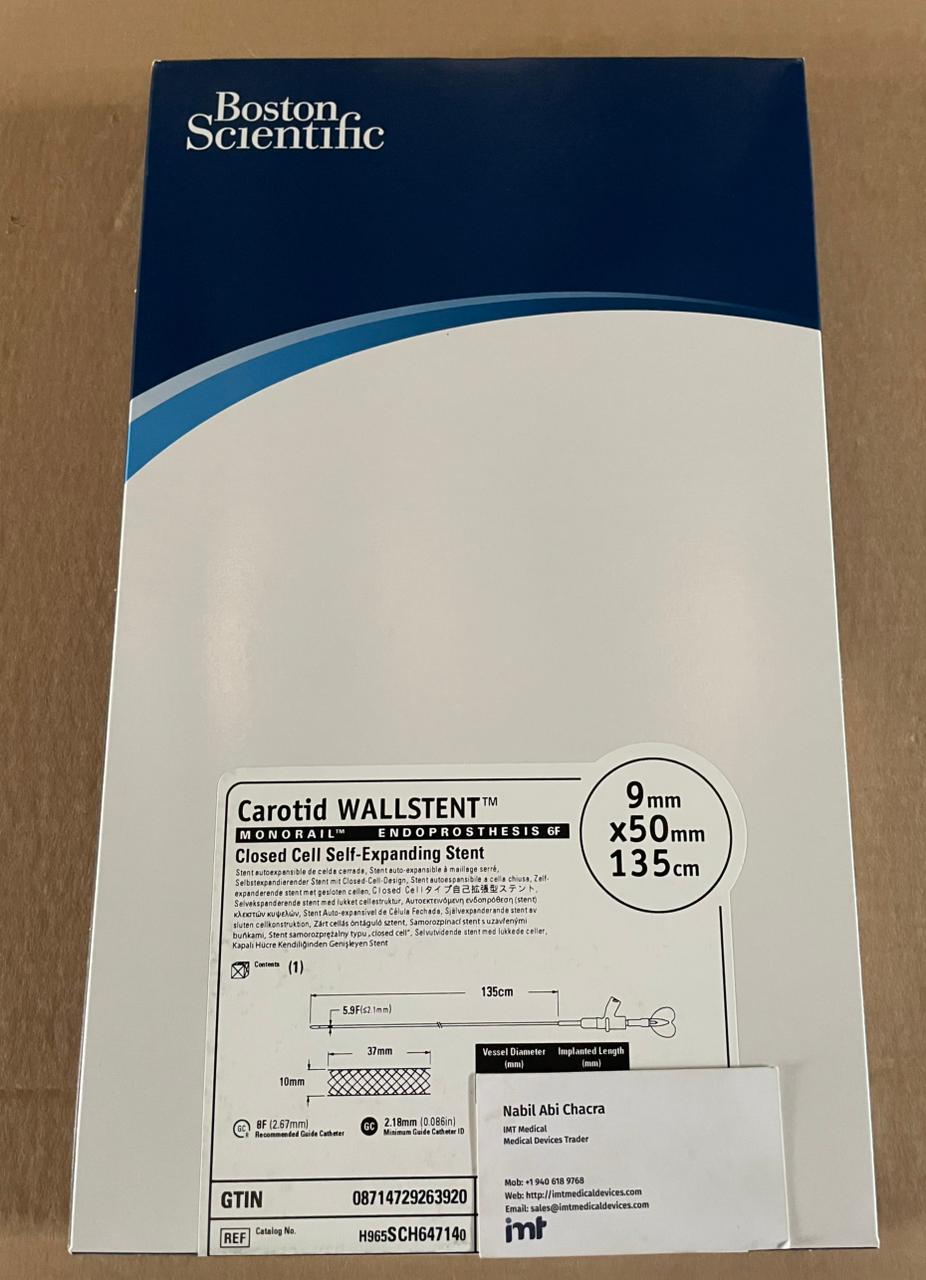
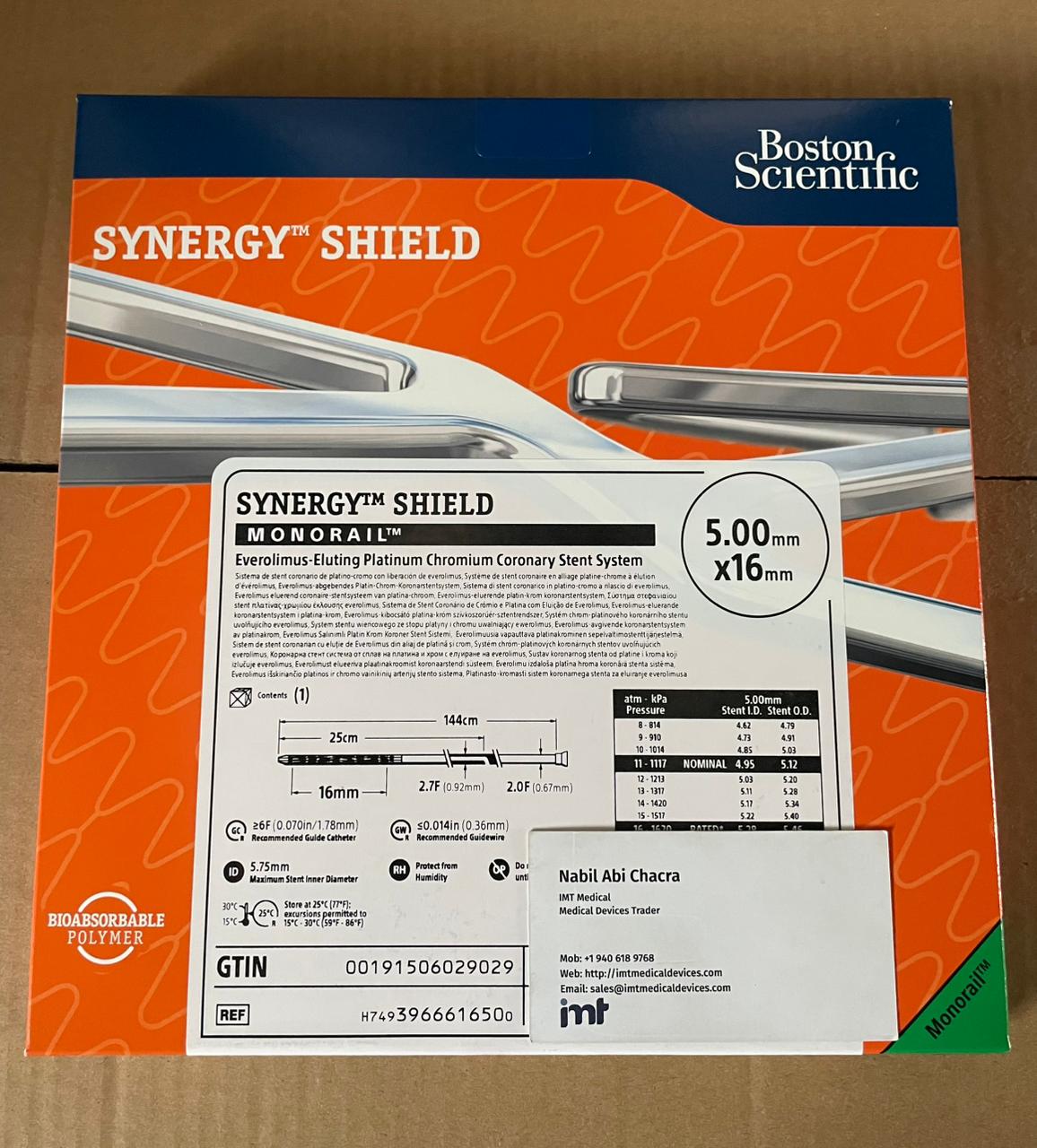
Access to premium interventional devices is a primary differentiator. A robust portfolio includes Drug-Eluting Stents and PTCA balloons from global market leaders. Sourcing from a medical devices distributor Europe with direct ties to multiple brands minimizes procurement friction and ensures product authenticity. For example, the coronary intervention category illustrates the technical depth required for modern clinical settings. Technical specifications and manufacturer reputations speak for themselves in these high-stakes environments.
Core manufacturer access includes:
- Medtronic: High-end interventional cardiology and CRM hardware.
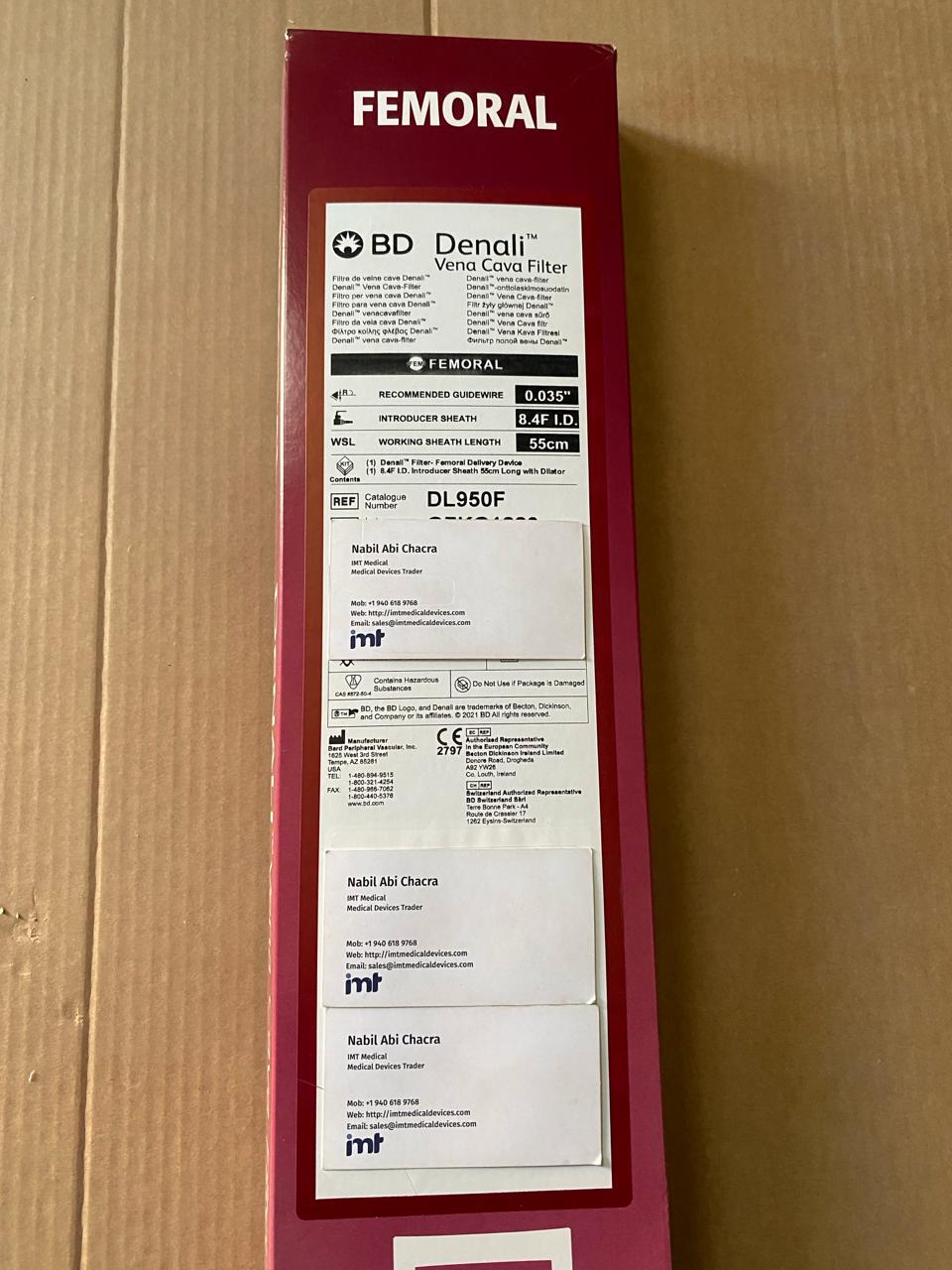
- Boston Scientific: Specialized vascular access and electrophysiology tools.
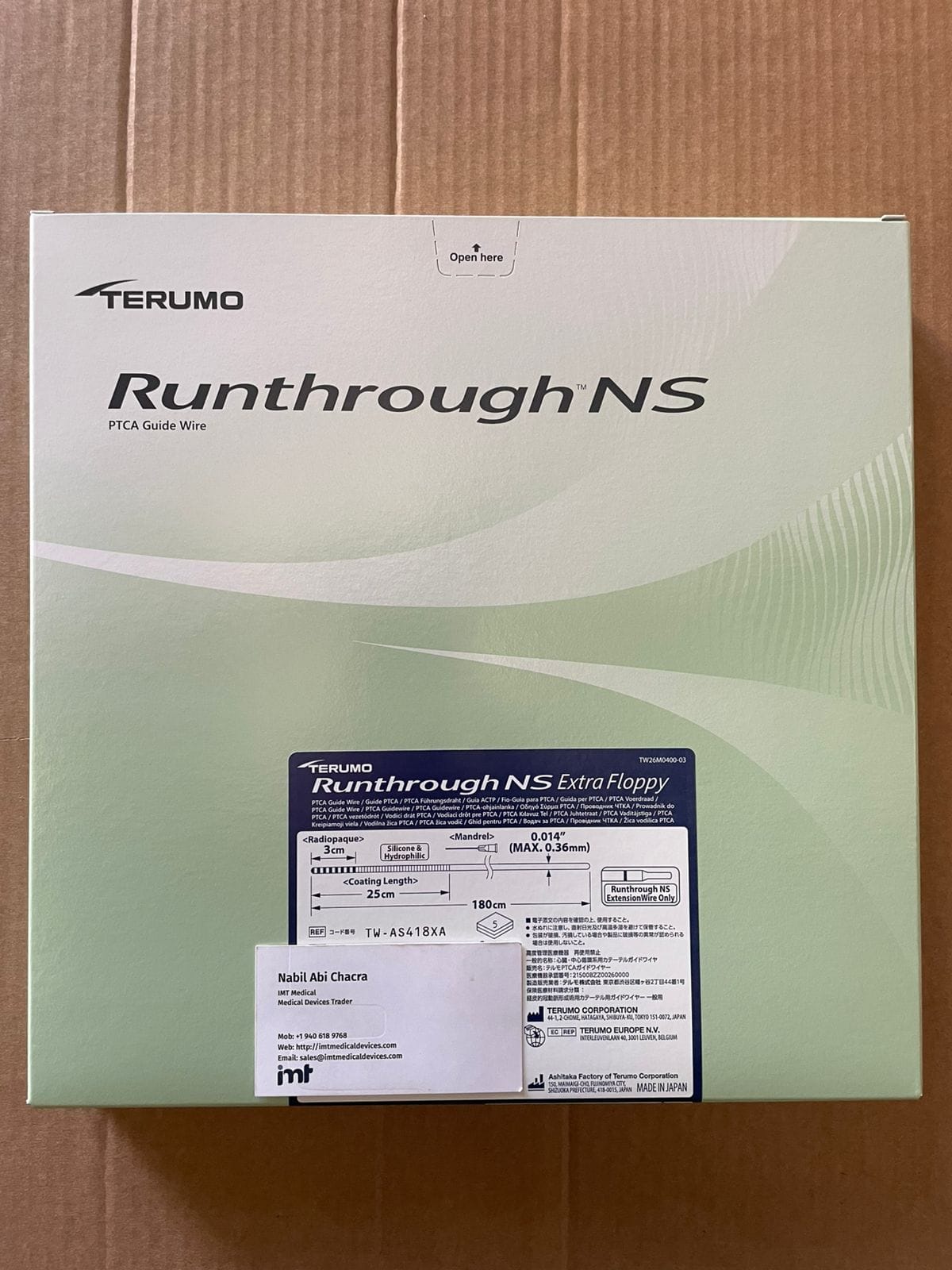
- Terumo: Precision interventional systems and diagnostic guide wires.
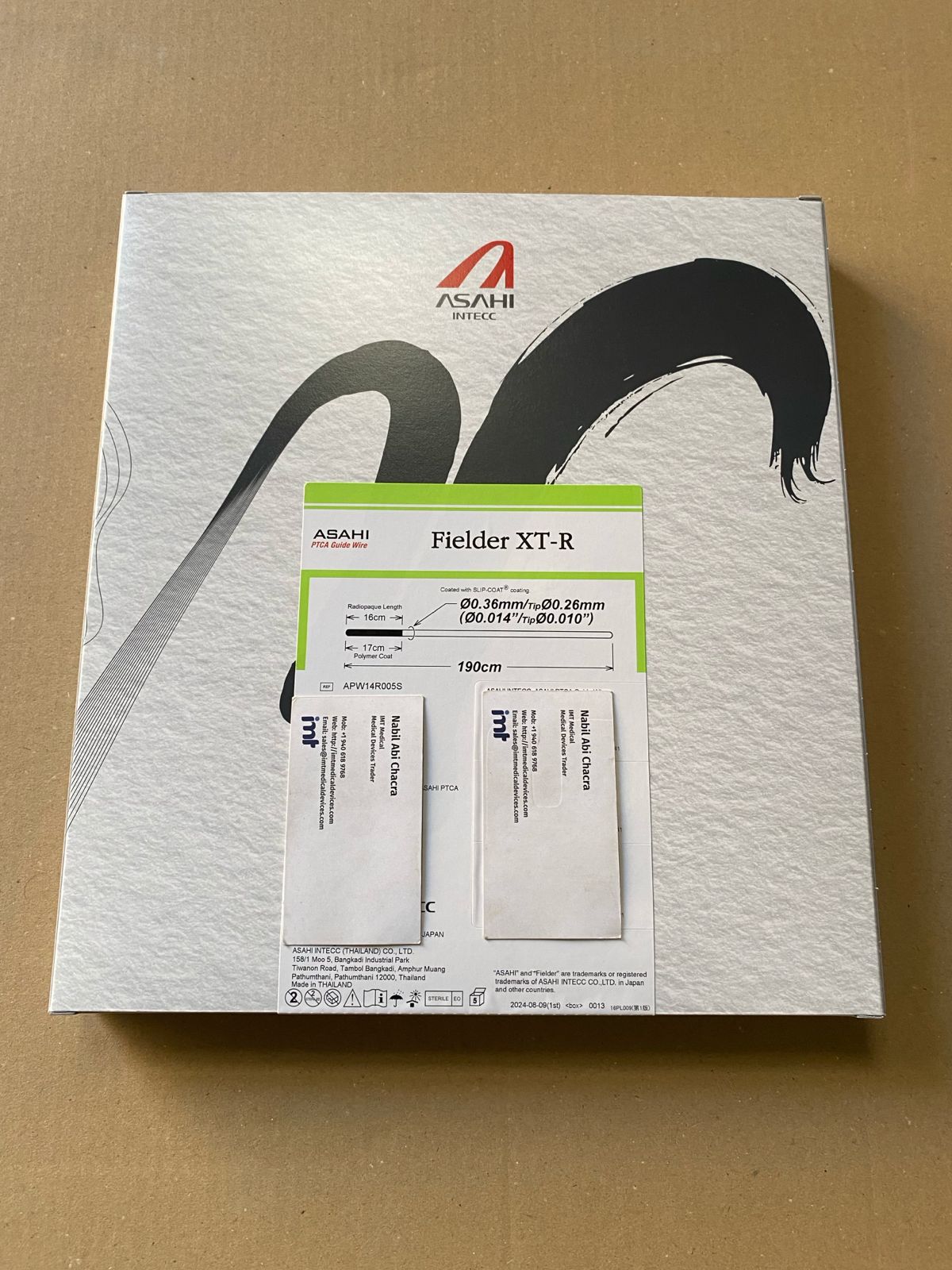
- Asahi Intec: Advanced PTCA guide wires and specialized catheters.
Logistical Precision and Supply Chain Integrity
Cross-border shipping solutions must be reliable, transparent, and fully documented. Lead times impact clinical continuity and hospital efficiency. Cold chain integrity is non-negotiable for temperature-sensitive medical consumables and specific implantable components. Our guide on medical device distribution outlines the benchmarks for global supply chain management and procurement. Precision in logistics prevents costly delays in customs and ensures that sterile barriers remain intact during transit.
Standard logistical requirements for high-end distribution:
- Climate-controlled storage environments for sensitive implantable hardware.
- Rapid customs clearance protocols for EEA and non-EU exports.
- Sterile handling procedures for interventional catheters and guidewires.
- High-speed retrieval and dispatch systems for bulk wholesale orders.
Optimising Procurement for Specialized Medical Technologies
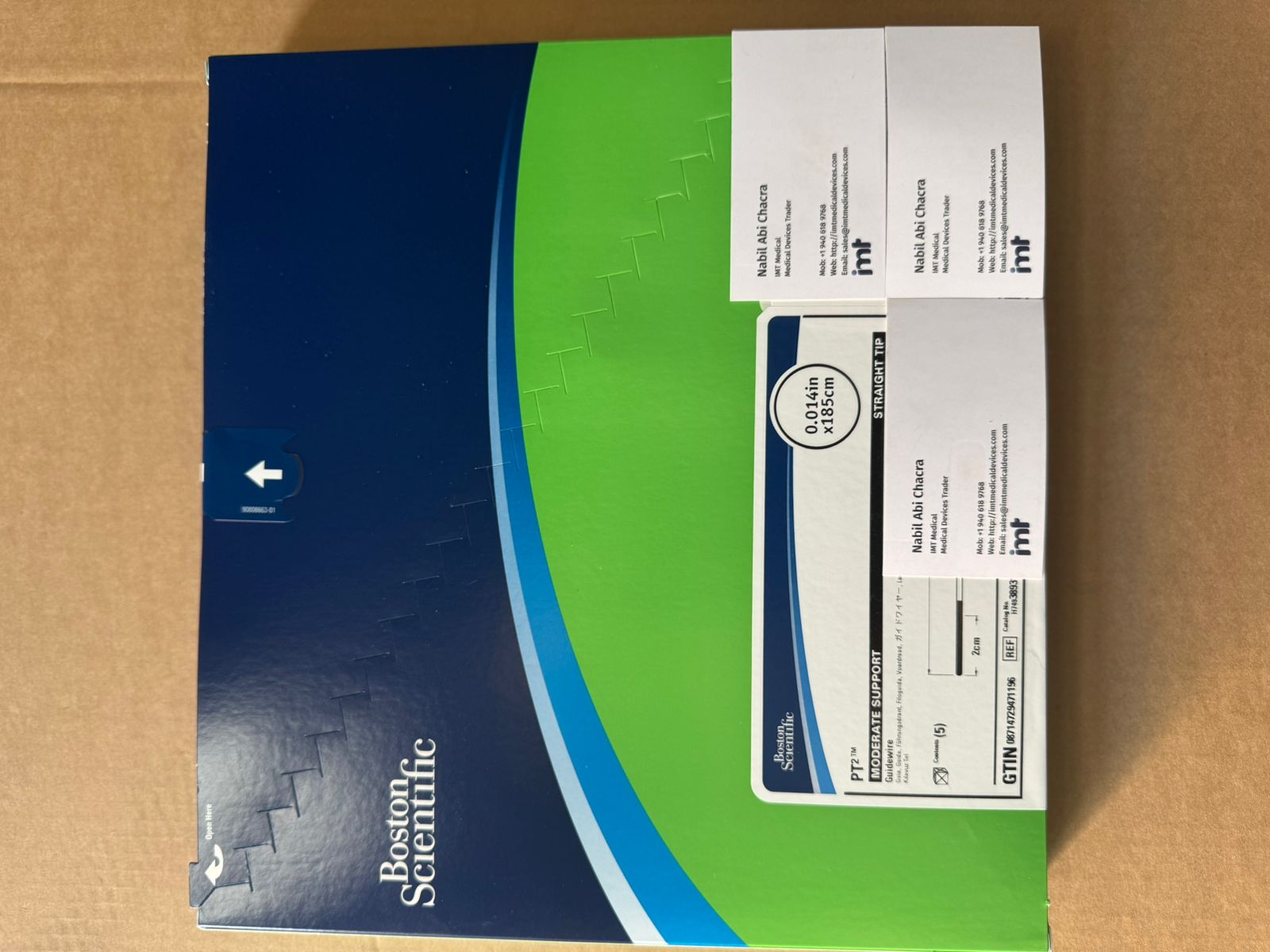
Procurement optimization requires a technical evaluation of manufacturer specifications. A medical devices distributor Europe must facilitate access to exhaustive data sheets for high-stakes hardware. Evaluating Drug-Eluting Stents involves a checklist of polymer biocompatibility, drug elution kinetics, and radial strength. This technical transparency ensures that clinical outcomes align with hardware selection. For PTCA Balloon Catheters and diagnostic guide wires, criteria focus on crossing profiles, pushability, and torque response. Bulk procurement of Cardiac Rhythm Management (CRM) devices requires a long-term strategy to manage inventory turnover and technical support requirements. High-turnover surgical staplers and consumables also demand lifecycle management to prevent operating theatre downtime. Reliability in these categories depends on a partner’s ability to maintain deep inventory levels for rapid retrieval.
Cardiology and Vascular Intervention Sourcing
Stent platform evaluation is the primary focus for interventional cardiology departments. Selection depends on specific drug elution profiles and scaffold designs from manufacturers like Medtronic and Boston Scientific. Sourcing precision wires is equally critical for successful outcomes. Asahi Intec products are the industrial standard for complex vascular access due to their superior torque control and tip durability. For hospital networks, bulk procurement of permanent pacemakers ensures a stable supply of CRM hardware while optimizing unit costs through wholesale channels. Direct access to Abbott and Terumo inventory minimizes the risk of supply chain disruptions in these critical categories. Procurement teams must prioritize technical identifiers over brand storytelling to ensure hardware compatibility with existing lab infrastructure.
Surgical and Laboratory Supply Management
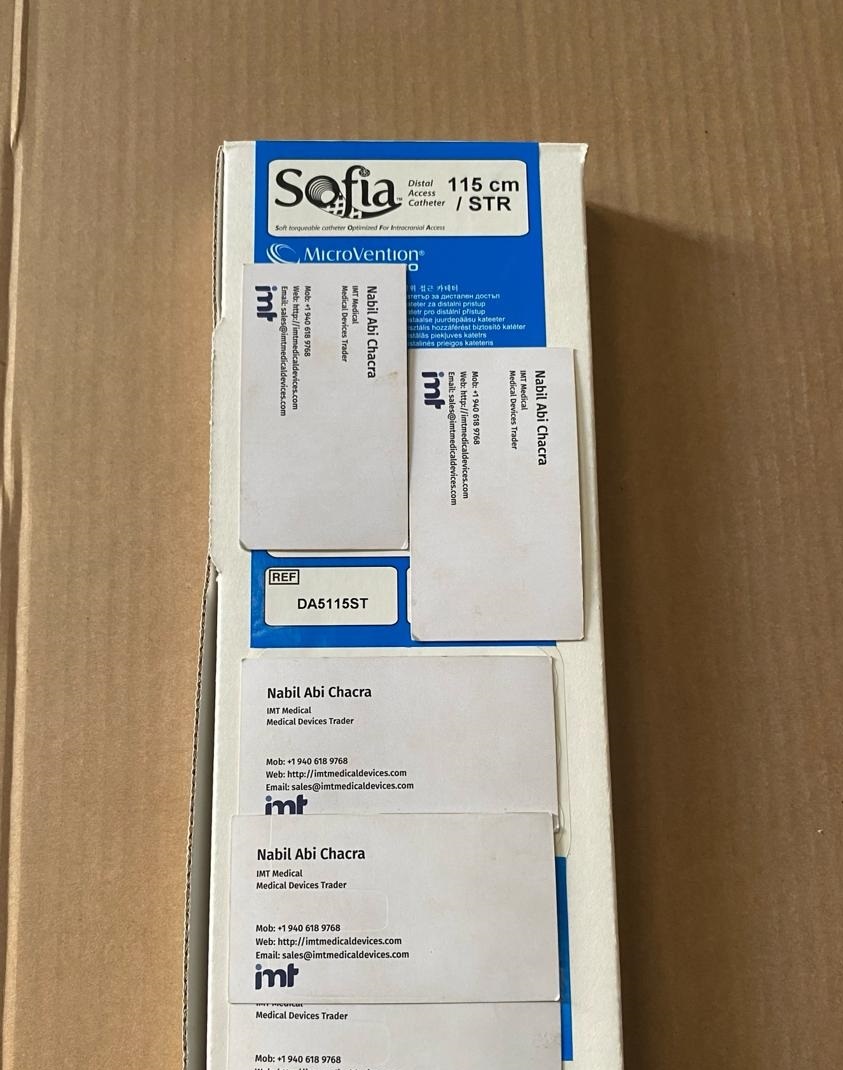
Operating theatre efficiency depends on standardized surgical stapler inventory. Consolidated procurement reduces administrative burden and ensures consistent clinical performance across surgical teams. For interventional radiology, sourcing specialized neurovascular coils and micro-catheters requires a partner with technical expertise in hardware compatibility and sterile barrier integrity. Laboratory supply chains also benefit from optimization. Consolidating wholesale shipments reduces logistics costs and simplifies inventory tracking through a centralized data feed. A reliable medical devices distributor Europe provides the logistical infrastructure to handle these diverse requirements through a single, efficient channel. This industrial competence allows for the rapid transmission of technical data and the secure movement of high-value clinical hardware across international borders.
Effective procurement is about precision and manufacturer-direct access. Secure a bulk inventory quote for specialized interventional hardware today.
IMT Medical Devices: A Strategic Partner for European Distribution
IMT Medical Devices operates as a high-capacity medical devices distributor Europe. We maintain an active presence in over 50 countries. Our focus is the secure and efficient movement of premium clinical technology. We provide a vital bridge between major global manufacturers and international healthcare providers. Industrial competence defines our logistical framework. We manage the entire export cycle from procurement to final delivery. This includes full compliance with European regulatory standards and exhaustive documentation. Our commitment to regulatory excellence ensures that all inventory, from ICDs to surgical staplers, meets mandatory MDR and IVDR requirements. We prioritize scale and reach over brand storytelling.
A Global Reach with Regional Precision
Our logistical infrastructure relies on strategic offices in Poland, Turkey, and Georgia. These regional hubs optimize transit times and reduce administrative friction. We provide supply chain solutions for both healthcare providers and large-scale wholesalers. International shipping for sensitive technology requires precision. We manage cold chain integrity and sterile handling for interventional hardware. Customs clearance is streamlined through established protocols and EUDAMED registration module expertise. Our expertise in managing complex documentation, including Certificates of Free Sale and technical data sheets, ensures that inventory moves across borders without delay. We minimize the logistical opaque areas that often stall medical exports. Reliability is our primary trust signal.
Access to Leading Medical Technologies
Procurement professionals gain direct access to Medtronic products and other industry-leading brands. Our inventory includes an exhaustive range of cardiology, surgical, and neurovascular solutions. We prioritize product availability and technical transparency. The syntax of our inventory follows manufacturer specifications to minimize ambiguity.
Our manufacturer-centric portfolio includes:
- Abbott: CRM hardware and coronary stents.
- Terumo: Interventional systems and PTA balloons.
- Boston Scientific: Electrophysiology and vascular access tools.
- Asahi Intec: Specialized PTCA guide wires and catheters.
We offer high-volume inventory for critical healthcare infrastructure. This includes Drug-Eluting Stents, PTCA Balloon Catheters, and Permanent Pacemakers. Reliable supply is non-negotiable in interventional settings. Our technical expertise ensures that every item meets the required clinical specifications and identifying codes. We also maintain significant stock of electrophysiology catheters, diagnostic guide wires, and peripheral stents. Organizations seeking efficient, high-capacity distribution can contact our team for tailored procurement solutions. We value scale and logistical reliability. Our focus remains on providing access to authentic, high-end technology for the global market.
Securing Your European Medical Supply Chain
Effective procurement in the European market requires a transition from simple purchasing to strategic, regulatory-aligned logistics. Success depends on verifying MDR compliance and maintaining high-volume access to premium interventional hardware. As a primary medical devices distributor Europe, we provide the industrial competence necessary to bridge the gap between global manufacturers and clinical departments. Our infrastructure supports the rapid transmission of technical data and the secure movement of sterile components across international borders.
We maintain strategic hubs in Poland, Turkey, and Georgia to optimize cross-border movement. Our status as an authorized distributor for Medtronic, Terumo, and Abbott ensures product authenticity and technical reliability. With export capabilities reaching 50+ countries worldwide, we possess the scale required for high-volume procurement contracts. Reliable supply is the foundation of clinical continuity. Explore our comprehensive portfolio of premium medical devices and optimize your procurement workflow today. We look forward to facilitating your next bulk inventory shipment with precision and speed.
Frequently Asked Questions
What are the key responsibilities of a medical devices distributor in Europe?
Distributors manage the procurement, storage, and regulatory-compliant delivery of medical technology under Article 14 of the MDR. They verify CE markings and Unique Device Identification (UDI) labels before placing products on the market. A medical devices distributor Europe also handles post-market surveillance and vigilance reporting. They act as a vital bridge between global manufacturers and clinical end-users; ensuring product integrity through sterile handling and climate-controlled logistics.
How does the EU MDR affect medical device distribution and procurement?
The EU MDR 2017/745 mandates stricter documentation and traceability obligations for all economic operators. Distributors must verify that devices are registered in EUDAMED and carry valid CE certifications. Procurement cycles are now dictated by MDR transition deadlines, such as the December 31, 2027, cutoff for Class III implantable devices. This regulatory framework requires distributors to implement robust quality management systems to track hardware from the production line to the hospital.
What should I look for when evaluating a medical device wholesaler for bulk orders?
Prioritize warehouse capacity, financial stability, and the breadth of the manufacturer portfolio. A reliable wholesaler must demonstrate the ability to execute high-volume contracts for specialized items like Drug-Eluting Stents and PTCA Balloon Catheters. Look for established logistical hubs that minimize lead times and ensure cross-border transparency. Technical competence in handling sensitive implantable hardware is a primary trust signal for long-term procurement partnerships; it's essential for clinical safety.
Which manufacturers are most commonly distributed for interventional cardiology in Europe?
Medtronic, Boston Scientific, Terumo, and Abbott are the primary manufacturers in the European interventional cardiology sector. These brands provide the industrial standard for hardware such as Permanent Pacemakers, ICDs, and electrophysiology catheters. Specialized components from Asahi Intec are also critical for vascular access procedures. A high-capacity medical devices distributor Europe maintains deep inventory levels of these specific brands to ensure clinical continuity across hospital networks and surgical centers.
How do distributors ensure the quality and authenticity of medical implants?
Quality is ensured through ISO 13485-certified management systems and direct manufacturer-sourcing protocols. Distributors verify UDI carriers and sterile barrier integrity for every implantable device, including peripheral stents and neurovascular coils. Traceability protocols prevent the entry of counterfeit or non-compliant hardware into the supply chain. Regular audits of storage environments and climate-controlled transport cycles maintain the technical specifications of sensitive hardware like Cardiac Rhythm Management devices throughout the entire journey.
What documentation is required for the international export of medical devices?
Required documentation includes Certificates of Free Sale (CFS), technical data sheets, and declarations of conformity. For non-EU exports, distributors must also manage customs paperwork and EUDAMED registration data. Standardized documentation prevents administrative bottlenecks in strategic hubs like Turkey or Poland. Accuracy in these records is mandatory for the rapid movement of bulk inventory. It ensures that high-end surgical staplers and catheters clear customs without delay; maintaining the speed of the global supply chain.
How can a strategic distribution partner help reduce procurement lead times?
Strategic partners utilize regional distribution hubs and optimized shipping routes to bypass supply chain bottlenecks. By maintaining high-volume local inventory of diagnostic guide wires and guiding catheters, they reduce the need for manufacturer-direct international transit. Automated retrieval systems and established customs protocols further accelerate delivery cycles. This logistical efficiency allows healthcare providers to maintain lower on-site stock levels while ensuring they've got immediate access to critical interventional hardware when it's needed.
Is it possible to source premium brands like Medtronic or Terumo in bulk through European distributors?
Yes, authorized distributors provide wholesale access to premium brands like Medtronic, Terumo, and Boston Scientific. These entities manage bulk procurement contracts for hospital networks and regional wholesalers. They offer a consolidated channel for sourcing diverse hardware, including PTCA balloons and permanent pacemakers, under a single logistical framework. This approach optimizes procurement costs and simplifies inventory management through manufacturer-direct data feeds and standardized technical identifiers; making it's easier to manage large-scale clinical requirements.